Autism Awareness Embroidery Design Review
As an experienced embroidery designer, I’ve had the chance to work with a wide range of machine embroidery designs, from intricate floral patterns to bold geometric shapes. Recently, I came across the Autism Awareness Embroidery Design on Creative Fabrica and decided to evaluate it for potential use in real-world projects. This review is based on my hands-on experience with the design, considering its suitability for both personal and commercial embroidery applications.
First Impressions of Autism Awareness Embroidery Design
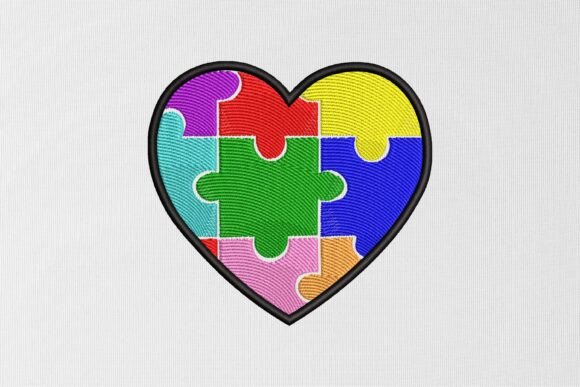
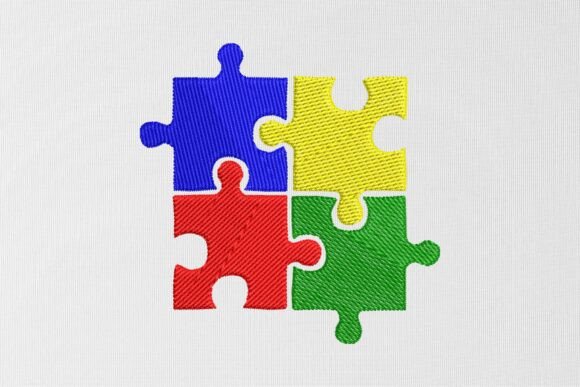
The Autism Awareness Embroidery Design immediately caught my attention with its soft, colorful aesthetic and thoughtful composition. The visual mood is gentle yet meaningful, making it ideal for creating personalized gifts that convey care and awareness. The level of detail is well-balanced—neither too intricate nor too simple—which makes it versatile for various fabric types and hoop sizes.
The stitching personality of this design leans toward a decorative yet subtle approach. It uses a combination of satin stitch, fill stitch, and running stitch elements, which gives it a cohesive look without overwhelming the fabric. Its decorative appeal is strong enough to stand out but not so much that it distracts from the item it’s embroidered on.
This design naturally fits into handmade products like baby blankets, tote bags, and pillow covers. Its theme aligns well with Awareness-related projects, offering a unique way to express support and empathy through craft.
Performance in Real Embroidery Projects
I tested the Autism Awareness Embroidery Design on several materials, including cotton, linen, and even stretchy fabrics like fleece. On most surfaces, the design stitched cleanly, maintaining its shape and detail. However, as with any embroidery file, it’s important to consider how it will perform on different types of fabric and under various conditions.
For custom apparel, such as sweatshirts or caps, the design works well when using proper stabilizer and adjusting stitch density. It doesn’t have overly dense areas that might cause puckering, but if you’re working with dark fabric, it’s crucial to check the thread color contrast beforehand. A light-colored design on dark fabric can be visually striking, but it may require additional planning to ensure visibility.
If you're looking to create embroidered patches or tote bag designs, this pattern is a good fit. It adds a nice touch of character without being too busy. For commercial embroidery projects, the design's clean lines and manageable stitch count make it suitable for high-volume production, provided you test it first on scrap fabric.
One thing to note is that the design isn’t ideal for curved cap surfaces or textured fabric without some adjustments. You may need to tweak the layout or use a different type of stabilizer to maintain the integrity of the embroidery.
Impact on Product Value and Customer Engagement
Incorporating the Autism Awareness Embroidery Design into your product line can enhance product value and buyer trust. It shows that you're mindful of social causes, which resonates well with customers who appreciate meaningful handmade items. Whether you're selling on Etsy, at craft fairs, or in boutique stores, this design can help differentiate your handmade product from generic alternatives.
The visual appeal of the design also plays a role in product photography. When displayed properly, it adds a sense of warmth and thoughtfulness that can attract more attention. Additionally, it can serve as a conversation starter, increasing customer engagement and potentially leading to repeat purchases.
For giftability, this design is a great option for creating personalized gifts that are both beautiful and purposeful. It’s especially fitting for events like birthdays, baby showers, or even Valentine’s Day—though the product description mentions it as a romantic gift, I found it more suited for general awareness-based occasions.
Practical Embroidery Notes
Before using the Autism Awareness Embroidery Design for a finished product, there are a few practical steps to consider:
- Test on scrap fabric: Always do a trial run before committing to a full project. This helps identify any issues with stitch density or fabric compatibility.
- Check thread color contrast: Ensure the colors match your fabric choice, especially if you're using dark fabric.
- Review stitch density: While the design isn’t overly dense, it’s still important to adjust stitch settings based on your machine and fabric type.
- Confirm hoop size: Make sure your hoop can accommodate the design’s dimensions without stretching or distorting the fabric.
- Compare light and dark fabric mockups: If you plan to offer the design on multiple fabric options, previewing them side by side can help you choose the best combinations.
- Use proper stabilizer: Especially important for stretchy or textured fabrics, the right stabilizer ensures your embroidery holds up after washing and handling.
- Inspect small details after stitching: Even the smallest imperfections can affect the overall appearance of the finished product.
- Confirm file details and licensing: Always review the product page on Creative Fabrica to ensure you understand the digital embroidery file format and any restrictions on resale or commercial use.
Overall, the Autism Awareness Embroidery Design is a worthwhile addition to any design assets collection. It offers a blend of aesthetics and functionality that can elevate your handmade products while supporting a meaningful cause. As with any embroidery file, thorough testing and preparation are key to achieving the best results.